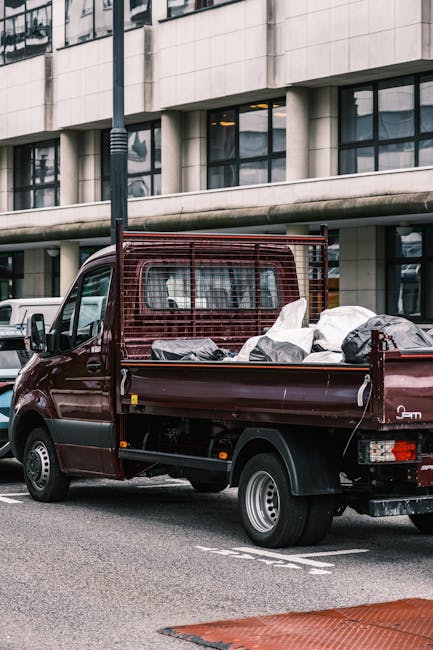
Chiswick man with van services for local and London moves

Our man with van in Chiswick service is built for practical moving work that needs careful loading, tidy transport and straightforward communication. It suits household items, single-room moves, furniture collections and smaller commercial deliveries where a full removal lorry would be unnecessary. The focus is on moving your items efficiently while keeping the process clear from the first enquiry through to arrival. If you need help understanding the scope of the job, we can talk through the load size, access and timing before you request a quotation.
The service can cover a wide range of transport tasks, from a few bulky pieces to a more structured small move. That may include beds, wardrobes, desks, boxes, appliances or mixed household contents, provided the load can be handled safely and sensibly within the vehicle space arranged. We keep the service practical rather than complicated, so the aim is to match the transport to the job rather than add unnecessary extras. Pricing and quotes can help you see how moving requirements are usually assessed.
Because every move is different, the best result starts with a clear picture of what needs moving and where it is going. A concise list of the main items, any awkward access points and the preferred collection and delivery windows gives us a better basis for planning. If you are deciding whether a man and van arrangement is the right fit, the pages for man and van services and man with van give a useful overview of this kind of transport support.
Household moves and part-load transport
For many customers, the main need is to move selected household items without booking a larger removals operation. That is where a smaller vehicle-led service can be a good fit. We can support part-load moves, the transfer of a few rooms’ contents, or the movement of furniture between homes when the job is too substantial for a simple car journey but does not warrant a full-scale house removal. The emphasis is on coordinated transport and sensible handling, not on overcomplicating the job.
Furniture often needs more than just transport. Items may need careful positioning in the vehicle, protective loading and a sensible sequence so that the most awkward pieces are moved last and unloaded in a practical order. If you are comparing options for a broader household move, the home moves page sets out a larger moving service, while house removalists is useful for customers seeking a more removal-focused solution. Use plain text if you need to check whether your move is suitable; a short list of furniture and boxes is usually enough to start that conversation.
What this service commonly suits
Typical jobs in this category include moving a sofa, table and chairs, collecting bedroom furniture, taking packed boxes to a new address, or shifting a small mix of domestic goods between flats and houses. It can also work well for students, renters and anyone consolidating belongings into a new property. When you are preparing a quote request, it helps to note whether the items are already dismantled, whether parking is nearby, and whether there are stairs or lifts at either end. Those practical details help shape a more realistic plan.
Furniture collection and item transport

Some jobs are less about moving the contents of a whole property and more about collecting or delivering individual items. That may include a new purchase, a sale between private addresses, a second-hand furniture collection or the transfer of pieces from storage. A vehicle with room for careful placement is useful here because good loading reduces movement in transit and helps protect both the items and surrounding surfaces. We can discuss whether the job is best handled as a direct point-to-point move or combined with other items on the same run.
Where heavy lifting or large dimensions are involved, it helps to think ahead about access and handling. A wardrobe, sofa or dining table may need to be turned through narrow halls, carried over uneven ground or manoeuvred around tight corners. Our broader furniture support is outlined on the furniture pick-up page. If the job is focused on a specific bulky item rather than a full move, this can be a sensible route to explore before asking for a quote.
Good item transport is often about making small decisions early. For example, it can be worth separating breakable pieces from solid items, keeping fixings together and identifying anything that must remain upright. For more precise handling of large domestic furniture, the dedicated pages for mattress and sofa disposal and fridge and appliance removal show how specific item categories are managed. These pages are not a substitute for a tailored quote, but they can help you decide how to describe the job.
Packing support and move preparation
Some customers want transport only, while others prefer support that goes a step further. Where packing and unpacking assistance is arranged, the aim is to keep the move organised and reduce the number of separate tasks you need to manage. That can be especially useful for fragile household contents, labelled boxes and mixed loads that need to be sorted before or after travel. The service is still practical and focused; it is about improving the move, not turning it into a lengthy project.
If you are preparing a move, the most helpful information is often simple and specific. Note the number of boxes, any unusually heavy items, and whether furniture needs dismantling before transport. A short written overview is generally better than a long explanation. For more detail on this kind of support, see packing and unpacking services. That page can help you judge whether you need packing assistance at all or only a transport-led solution.
- List the largest items first so the load can be planned around them.
- Keep fragile belongings separate from the rest of the load.
- Tell us about stairs, lifts, narrow entrances or limited parking.
- Say whether items need dismantling, wrapping or reassembly.
Office and business transport

Not every job is domestic. Small businesses often need a straightforward way to move equipment, stock, documents, furniture or boxed materials without arranging a large commercial removal. A man with van arrangement can suit local office changes, store-room moves, equipment delivery and smaller business relocations where flexibility matters. The transport needs may be simple, but the planning still benefits from clarity about what is being moved and where it must go.
Commercial moving often depends on timing and access rather than volume alone. A desk, filing cabinet or set of boxed files may be easy to transport, but lifting routes, building entry rules and delivery windows can affect how the job is organised. Our wider business move support is described on commercial moves, while office relocation services give a closer look at office-focused transport. If your move includes mixed equipment, a short item list and basic site notes are usually enough to begin a quotation discussion.
For business customers, it is also worth separating transport priorities from internal reorganisation. A vehicle service moves the items; it does not replace your own planning for workstation setup, record handling or IT coordination. That said, the move can still be arranged in a way that makes the day easier, especially where loads are grouped by room or function. If you have time-sensitive contents to move, the simplest approach is usually to send the essentials first and then add the remaining items as a second run if needed.
Large items, disposal and specialist handling
Some requests involve more than simple transport from one address to another. A customer may need an item removed, moved for disposal, or collected because it no longer has a place in the home or workplace. In those cases, the key question is whether the item can be handled safely, loaded sensibly and taken to the appropriate destination. This is where clear description matters, especially for appliances, mattresses and oversized furniture.
When the load includes heavy or awkward pieces, it helps to identify whether they are already disconnected, dismantled or ready to go. That can affect the amount of handling required and how the vehicle is used. For related support, the pages on mattress and sofa disposal and fridge and appliance removal outline specific item categories, while removal truck hire is more relevant if you are exploring transport capacity for a broader move. The right option depends on the item type and the destination.
Where the work also involves recycling or responsible disposal, the process should be discussed in advance so expectations are clear. If your enquiry includes items that are no longer wanted, tell us exactly what they are rather than using a general description like “odd bits”. That helps avoid confusion and makes the quotation more accurate. A quick item-by-item note is usually enough to get the conversation moving.
About Chiswick

Chiswick is a long-established district in west London, positioned within the London Borough of Hounslow and shaped by both riverside character and busy urban corridors. It lies beside the River Thames, with stretches of towpath and riverside green space that contrast with the traffic flow of the A4 Great West Road. The area is known for a mix of Georgian and Victorian streets, later interwar development and modern commercial strips, which together create a varied townscape rather than a single uniform centre. Chiswick House and its grounds are among the best-known heritage features in the district, while nearby parks and open spaces add to the sense of greenery that people often associate with the area. Dukes Meadows provides riverside recreation, and the local road network links residential streets with neighbourhood shopping frontages, schools and workplaces. The district also has a strong connection to the cultural life of west London, with theatres, galleries, pubs and independent businesses contributing to a lively local character. Over time, Chiswick has developed from a riverside settlement and village community into a fashionable suburban part of the capital, while still retaining pockets of older fabric, church buildings and domestic architecture that hint at earlier centuries. Its position between central London and outer west London has made it a place of movement as well as residence, with rail, road and river routes all shaping how people encounter it.
Booking details and quotation requests
When you are ready to ask for a quotation, the most helpful approach is to give enough detail to match the transport to the task. That usually means the collection and delivery areas, a description of the items, and any access issues that might affect loading or unloading. You do not need to write a perfect brief; a practical outline is sufficient. If there are several parts to the job, such as collection from one address and onward delivery to another, list them in order so the movement is easy to follow.
Some customers also like to mention whether they need help at one end or both, and whether the job is time-sensitive or flexible. Keep the note concise but complete. For general service information, about us gives background on the business, while pricing and quotes is the clearest starting point for discussing cost factors. If you are ready to move ahead, request a quotation and share the details that matter most.
It is also sensible to be clear about items that should not be included in the load, particularly where there are restrictions on what can be moved safely or lawfully. If you are unsure how to describe the contents, list the main pieces and mention anything unusual or fragile. That is often enough to avoid delays later. For a simple next step, send your move details and ask for a quotation.
Planning access, timing and load size

One of the biggest differences between a smooth move and a difficult one is access. Stairs, narrow hallways, basement flats, top-floor deliveries and limited parking can all change how a job is handled. A van-based service is often chosen precisely because it can be adapted to places where larger vehicles or more extensive removal setups would be less convenient. The more accurately you describe the entry points, the easier it is to plan the load and work sequence.
Load size matters too, but not only in terms of how many items you have. The shape, weight and fragility of the belongings all affect how they can be fitted in the vehicle and which pieces need to go first. If your move includes a mixture of boxes, furniture and appliances, say so early. That information helps determine whether a single journey is likely to be suitable or whether the job would be better split into stages. For customers who want to understand broader transport options, moving truck gives a different way to think about vehicle capacity.
In practical terms, the right quotation depends on more than distance alone. It is shaped by the number of items, the type of property, loading access, whether the goods need extra handling and the time required to complete the move sensibly. If you are unsure what to include, keep it simple: what is moving, where it is going and what makes the job a little less straightforward. That is usually enough to start a useful discussion.
Useful choices for a smaller move
Smaller moves benefit from straightforward planning and clear priorities. You may not need a full house removal, but you still want the transport to be orderly and dependable. A man with van service can cover the essentials without adding unnecessary scale, which is why it is often chosen for local relocations, short-notice furniture transfers and straightforward item collections. The point is not to overstate the job; it is to choose the right kind of help for the load in front of you.
Where additional service information is useful, the pages on home moves and commercial moves help separate domestic from business transport, while man and van services remains the best broad reference for this kind of move. If your job involves materials that need recycling or safe disposal, recycling and sustainability is available as a related policy and information page. Read what is relevant, then decide what you need moved and send a concise enquiry.
The most useful final step is often the simplest one. Review the items, check access at both ends and decide whether you want support for transport only or a broader moving arrangement. If the job is still uncertain, ask for guidance before booking. For a direct response, request a quotation today and include the essentials in one message.